
Selling a house that flooded in Clay County: what you must disclose, and what your options are
Homes along Black Creek and the St. Johns have taken water more than once. Here is what Florida requires a seller to tell a buyer, how flood history affects a sale, and when repairing, listing or selling as-is makes sense.
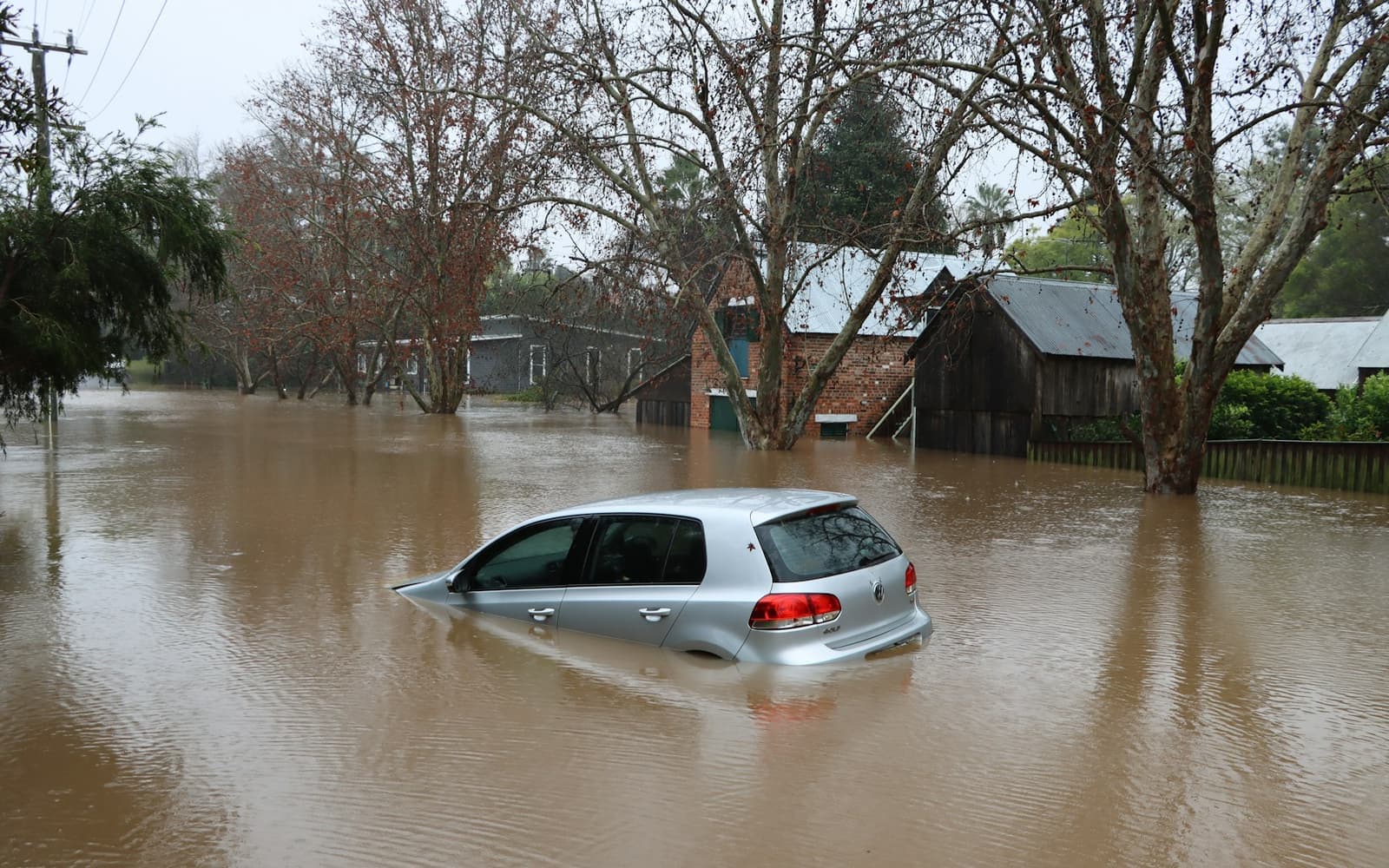
Clay County has a long history with water. Black Creek has put Middleburg neighborhoods under several feet more than once, and homes along the St. Johns River in Green Cove Springs, Fleming Island and Orange Park see surge and flooding in big storms. If your house is one of them, you can still sell it. What changes is how.
This guide is general information, not legal or insurance advice.
What you have to tell a buyer
Florida has two rules that apply.
The general rule. A seller of a home has to disclose known facts that materially affect its value and that a buyer could not easily see for themselves. Past flooding, water damage and mold all count.
The flood disclosure. Florida law also requires a seller of residential property to give the buyer a specific flood disclosure at or before the time the sales contract is signed. It asks whether the seller has filed a claim with an insurer for flood damage on the property, and whether the seller has received federal assistance for flood damage. It also tells the buyer that regular homeowner's insurance does not cover flooding.
The honest approach is also the safe one. Disclose what you know, in writing, with dates. A buyer who learns about a flood after closing has grounds to come after the seller. A buyer who was told up front does not.
How flood history affects the sale
Flood insurance. If the house is in a high-risk flood zone on FEMA's maps and the buyer is using a mortgage, the lender requires flood insurance. The price of that policy depends on the home's elevation, its distance from the water, how it is built, and its history. A high premium shrinks what a buyer can afford to pay for the house.
Prior claims. Flood claims follow the property, not the owner. A home with repeated claims can be costly to insure, and that shows up in what buyers offer.
The elevation certificate. If you have one, find it. It documents how high the lowest floor sits compared to the expected flood level, and it can lower a buyer's premium considerably. It is one of the most useful papers a seller in a flood zone can hand over.
Substantial damage rules. If repairs after a flood cost more than about half of the building's value, local floodplain rules can require the whole structure to be brought up to current standards, which may mean raising it. Check with the Clay County building department before starting major repairs on a badly damaged house.
If the house has been repaired
A house that flooded and was fixed properly can sell on the open market. What buyers and their insurers want to see:
- Permits for the repair work, opened and closed.
- Invoices from licensed contractors, especially for electrical, drywall, flooring and air conditioning.
- Mold remediation paperwork and a clearance test if one was done.
- The insurance claim file, showing what was paid and what it covered.
- Any mitigation done since: flood vents, raised equipment, grading or drainage work.
Gather these before you list. A stack of documents answers the question every buyer has, which is whether the job was done right.
If the house has not been repaired
This is the harder case, and it is common. The claim paid less than the repairs cost, or there was no flood policy, or the owner could not manage the work.
A house with open walls, missing flooring or no working kitchen generally cannot be financed. A lender's appraiser will flag it, and an insurer will not write it. That limits the buyers to people paying cash.
Time matters here more than in most sales. A wet house left closed up grows mold within days, and each month of sitting adds to the repair bill and lowers the price. If you are not going to repair it, decide quickly.
Your choices:
- Repair, then list. The highest price, if you have the money and several months, and the damage is not past the substantial damage threshold.
- Do the dry-out and demolition only. Removing wet material and drying the structure stops the damage from growing and makes the house easier to value, even if you go no further.
- Sell as it sits to a cash buyer. The lowest price, no repair cost, and the fastest way out.
If you still owe on the mortgage
Insurance money for flood damage is usually paid jointly to the owner and the lender, and the lender often releases it in stages as repairs are done. If you sell instead, the mortgage is paid off at closing from the sale price, and the insurance funds are settled with the lender as part of that. Tell your buyer and the title company about any open claim so it is handled correctly.
If the payments have fallen behind since the flood, read the Florida foreclosure timeline. There is usually more time than people think.
Questions sellers ask
Do I have to disclose a flood from before I owned the house? If you know about it, yes. Disclose what you actually know.
Does being outside a flood zone mean I have nothing to disclose? No. The zone is about lender rules. Disclosure is about what happened to the house.
Will a past flood stop a buyer from getting a loan? Not if the house is repaired and insurable. It may raise their insurance cost.
How we buy houses with flood damage
We buy houses for cash across Clay County and Duval County, including homes that flooded and were never repaired. We do not need a lender or an insurer to approve the house. We look at the damage, price the work, show you how we got to the number, and close through a local title company.
If a repair and a normal listing would clearly leave you with more, we will say so. To see what we would pay as it sits, send us the address. There is no charge and no obligation.