
Kern County code violation or substandard notice on your property? What it means and whether you can sell
A code compliance case can turn into a recorded notice and a lien on your tax bill. Here is how the process works in Kern County, what it costs, and how to sell a house with an open case.
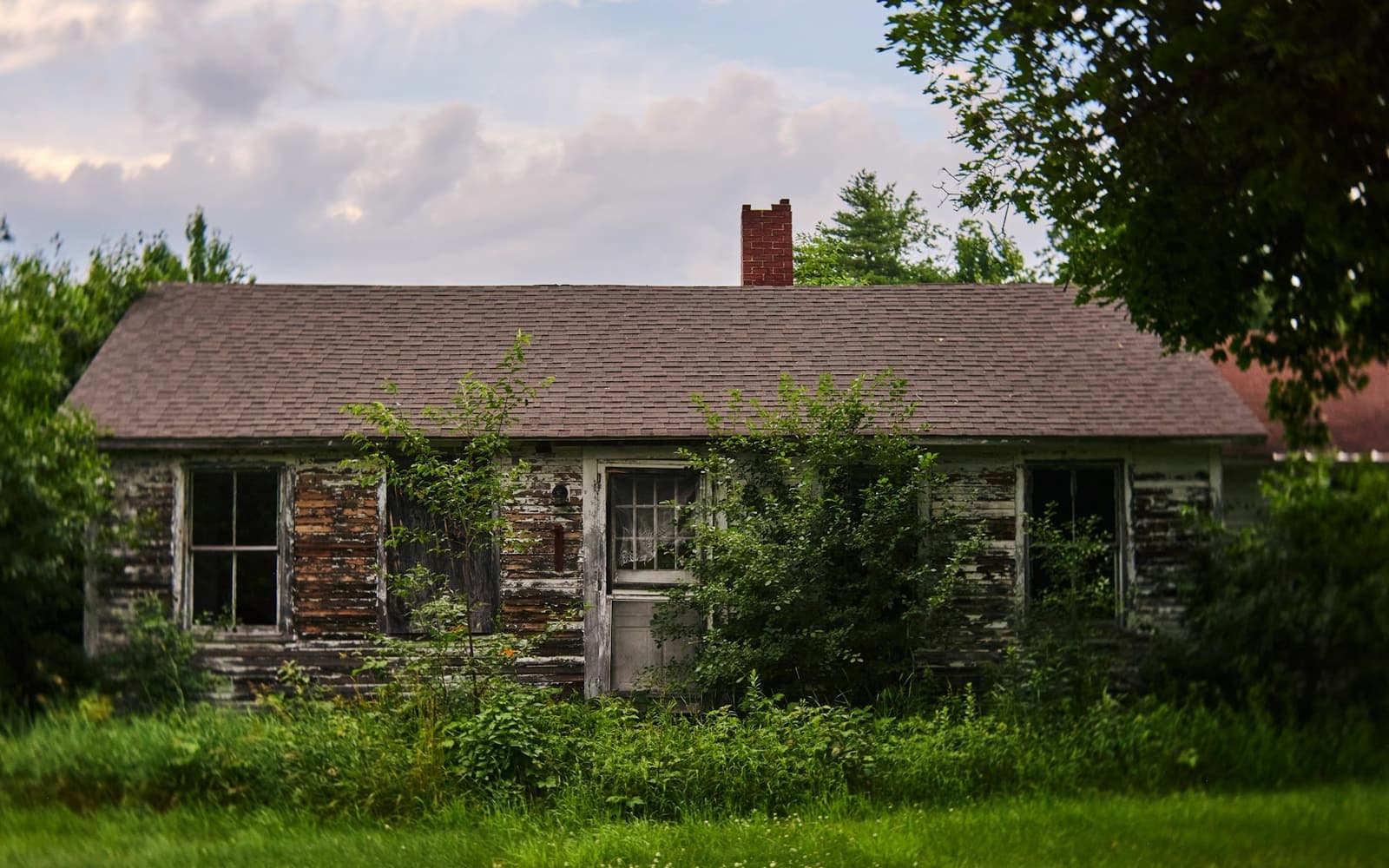
A letter from code compliance is easy to set aside, especially for a house you do not live in. In Kern County that letter is the first step of a process that can end with a notice recorded against the property and a bill added to the property taxes. This guide explains the steps and what your choices are, including selling the house with the case still open.
It is general information, not legal advice. The department that sent your notice can tell you exactly where your case stands.
Who is sending the letters
It depends on where the property is.
- Unincorporated Kern County, which includes places like Lamont, Oildale, Rosamond, Mojave, Boron and Lake Isabella, is handled by the county's code compliance office.
- Inside a city, such as Bakersfield, Delano, Wasco, Arvin, Taft or Tehachapi, the city's own code enforcement handles it.
The notice itself says which office opened the case and gives a case number. Keep it. Everything else is tied to that number.
What usually triggers a case
Most cases start with a complaint from a neighbor or an inspector driving past. The common ones are:
- Weeds, trash, junk and abandoned vehicles.
- A vacant building that is open, broken into or fire damaged.
- Unpermitted construction or a garage turned into living space.
- No working utilities, or people living in a structure that is not safe.
- A building that has become dangerous: a failing roof, exposed wiring, a collapsing porch.
How a case moves
1. Notice of violation. You get a letter describing the problem and a deadline to fix it. At this stage the fix is usually cheap and the case closes when an inspector confirms the work.
2. Substandard or nuisance declaration. If nothing changes, the agency can declare the building substandard or the property a public nuisance and record that notice against the property. Once it is recorded, it shows up in any title search. A buyer, a lender and a title company will all see it.
3. Abatement. If the owner still does not act, the agency can do the work itself: clean the lot, board up the building, or in serious cases demolish it. It hires a contractor and tracks every cost, including its own staff time.
4. The cost hearing and the lien. The costs go to a hearing. In the county that is in front of the Board of Supervisors, and the property owner has the right to appear and dispute the bill. Once approved, the amount becomes a special assessment on the property tax bill and a lien against the property.
That last step is the one owners miss. An abatement bill is not just a debt you can ignore. It rides on the tax bill, earns penalties like unpaid taxes do, and can shorten the time before the county can sell the property for back taxes. Here is how tax default works in Kern County.
What it costs to leave it alone
- Administrative fines and re-inspection fees that repeat until the case closes.
- The contractor's bill for any work the agency does, which is nearly always more than you would pay doing it yourself.
- Penalties and interest once the amount is on the tax roll.
- A house that is harder to insure, finance or sell while the notice is on title.
Your options
Fix it and close the case. Call the officer named on the notice, ask exactly what is needed to close the case, and ask for more time if you are making progress. Officers generally work with owners who stay in touch. If permits are needed, get them, because unpermitted repairs can open a second case.
Dispute it. If you believe the notice is wrong or the bill is too high, you have the right to a hearing. The deadline to ask for one is short and is printed on the notice.
Sell the house with the case open. You are allowed to sell a property with an open code case, a recorded substandard notice or an abatement lien. Three things are true when you do:
- You have to disclose it. California requires sellers to tell buyers about known violations and notices.
- Liens get paid at closing. The escrow company pays recorded liens and the tax bill out of the sale proceeds.
- The buyer takes on the fix. Whoever owns the property after closing is responsible for clearing the case, so the price reflects that work.
A buyer using a mortgage often cannot close on a house with a recorded substandard notice, because the lender will not lend on it. That narrows the field to cash buyers, which is why these houses usually sell to investors.
If the house is inherited or you live out of the area
This is where most of these cases come from. An owner passes, the house sits, and the notices go to an address nobody checks. If that is your situation:
- Call the code office, give them the case number and a working phone number and mailing address.
- Ask what has already been billed and whether a cost hearing is scheduled.
- If the owner has passed, read how selling a house in probate works in Kern County. The estate can sell with the case open once someone has authority to sign.
How we buy houses with code cases
We buy houses across Kern County with open code cases, recorded substandard notices and abatement liens. We pull the case and the lien amounts before we make an offer, so the number you see already accounts for them. The liens are paid through escrow at closing, and we deal with the county or the city after that.
Sometimes the cheapest answer is to clean up the lot and close the case yourself. If that is true for your property, we will say so. To see what we would pay as it sits, send us the address. There is no charge and no obligation.